

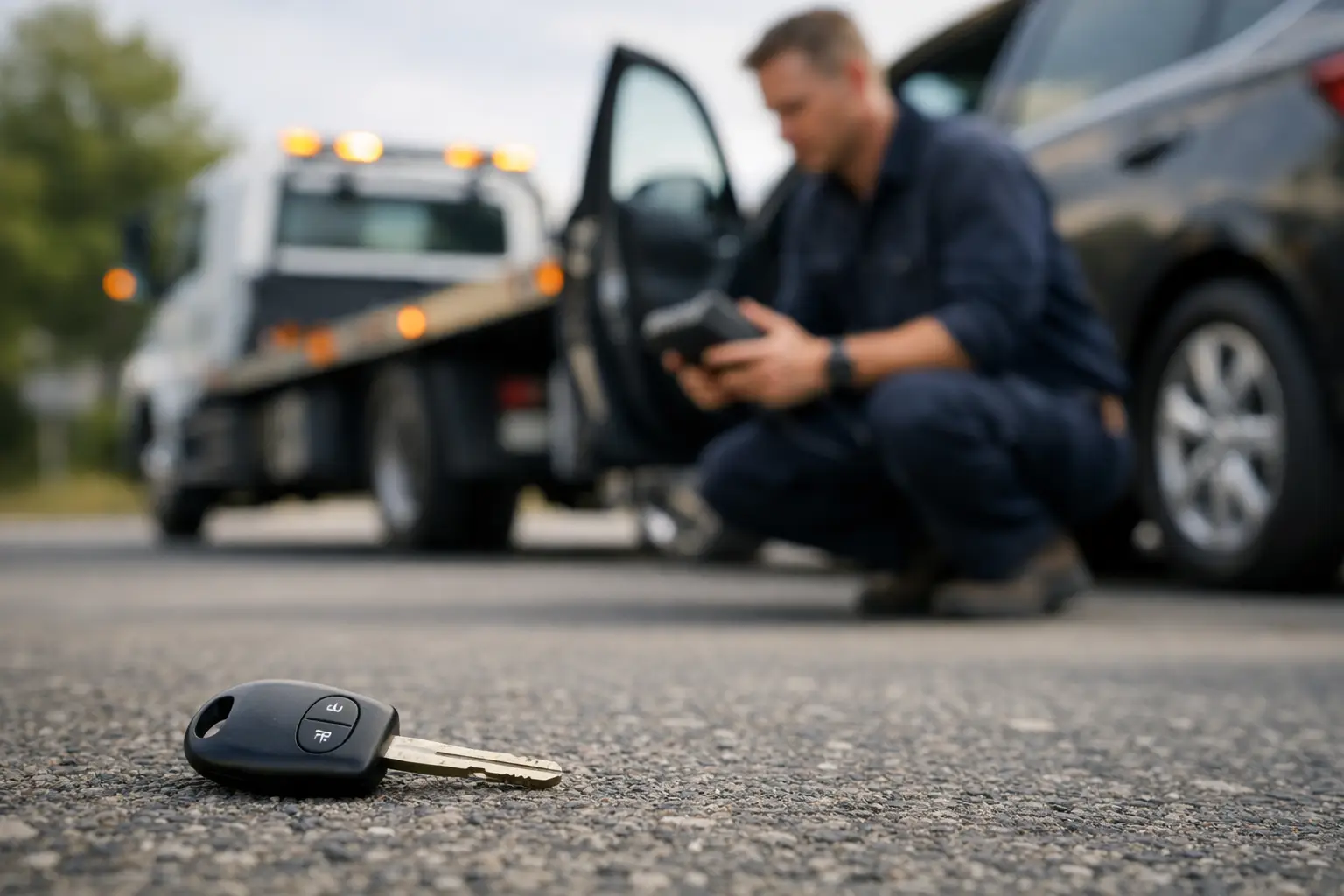
Your vehicle is sitting in a Surrey parking lot, outside your Richmond home, or at the curb after a long shift - and the only working key is gone. Lost transponder key recovery is not the same as cutting a basic metal key. Your replacement must be cut to fit the ignition and programmed to communicate with your vehicle before the engine will start.
The good news is that losing a transponder key does not automatically mean a tow to the dealership or days without transportation. A qualified automotive locksmith can often come to your location, identify the right key type, cut a replacement, and program it on site. The exact process depends on your vehicle, the number of keys still available, and whether the key was lost, stolen, damaged, or locked inside the vehicle.
What makes a transponder key different?
Most vehicles made from the late 1990s onward use an immobilizer system. Inside the key head, or sometimes inside a separate proximity fob, is a small electronic chip. When you turn the key or press the start button, the vehicle checks for the correct coded signal. If it does not receive that signal, it may crank without starting or prevent the engine from cranking at all.
A replacement key therefore has two jobs. Its blade must match the locks and ignition, and its chip must be registered to the vehicle. A key that looks correct but has not been programmed is usually no more useful than a blank when it comes to starting the car.
This is why price and timing can vary. Older vehicles with straightforward systems are often faster to handle than late-model vehicles with smart keys, push-button start, encrypted systems, or restricted programming procedures. Vehicle make, model, model year, and trim all matter.
Lost transponder key recovery: what to do first
Start by checking the practical places before ordering a replacement: coat pockets, bags, work areas, the path from the vehicle to your home, and anywhere you may have set down groceries or a phone. If the key is truly missing, avoid repeatedly forcing the ignition, door lock, or start button. That will not bypass the immobilizer and can create an additional repair issue.
Next, gather the information a locksmith will need. Your vehicle identification number, registration, make, model, year, and current location help confirm the correct service approach. Be prepared to show proof that you own or are authorized to access the vehicle. This protects you, the vehicle owner, and the technician.
If a spare key exists, keep it in a safe place and do not bring it unnecessarily to a roadside service call. Let the locksmith know that a working key is available. In some cases, having an existing programmed key can simplify the programming process. In others, particularly after the only key has been lost, the vehicle may need a more involved all-keys-lost procedure.
If you suspect the key was stolen rather than misplaced, say so immediately. Recovering access is only part of the job. Depending on the vehicle, it may be possible to erase the missing key from the vehicle's memory and program new keys, reducing the chance that the old key can be used to start the vehicle later.
Why an on-site automotive locksmith is often the practical choice
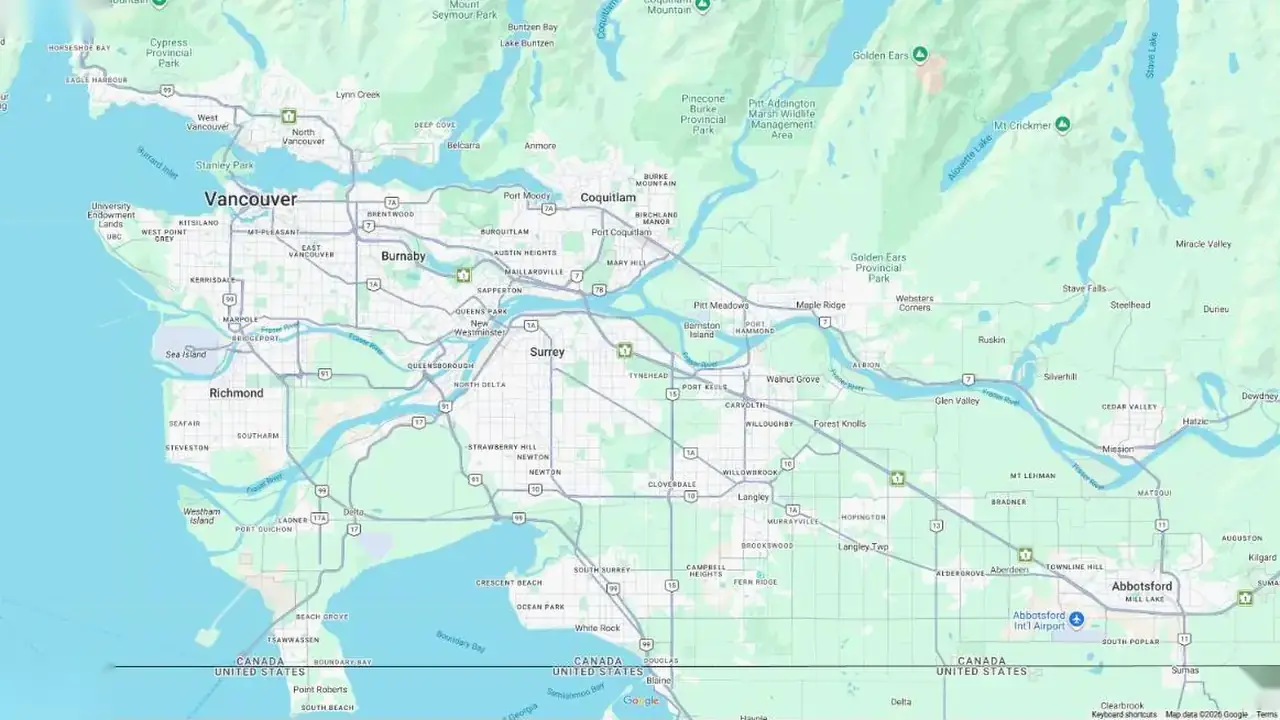
When no working key remains, moving the vehicle can be the hardest part. A mobile automotive locksmith brings the key-cutting equipment, diagnostic tools, blanks, and programming capability to the car. That can save the added cost and delay of arranging a tow, especially when you are stranded in Vancouver, Burnaby, Coquitlam, Langley, Delta, Maple Ridge, or another Lower Mainland community.
A dealership can be an appropriate option for some vehicles, particularly where manufacturer-only equipment or parts are required. But dealership service may involve an appointment, proof-of-ownership checks, parts availability, and towing if the vehicle cannot be driven. For an urgent lockout or lost-key situation, mobile locksmith service is often the more direct first call.
The right provider will explain what can be done before work begins. That includes whether a replacement can be cut and programmed at the vehicle, whether additional keys are recommended, and whether the lost key can be removed from the system. Clear communication matters because not every vehicle uses the same process.
Key cutting and programming are separate steps
People sometimes ask whether they can buy a blank key online and have it programmed later. It can work in limited cases, but there are risks. The blank may be the wrong frequency, use an incompatible chip, have poor-quality electronics, or lack the correct emergency blade. Even a matching-looking fob may not be accepted by the vehicle.
A professional replacement is selected by vehicle specifications, cut accurately, tested in the door and ignition where applicable, and programmed to start the vehicle. On smart-key vehicles, the remote functions and proximity start operation should also be checked. Testing before the technician leaves is what turns a replacement into a dependable daily key.
Do not confuse a key fob battery issue with a lost key issue
If you still have the key but the vehicle does not recognize it, the battery may be weak. Many push-button vehicles have an emergency method for starting with a low fob battery, often by holding the fob near a designated area. The location and procedure differ by manufacturer, so check the owner's manual if possible.
A dead fob battery, damaged key chip, worn key blade, broken ignition, and lost key can produce similar symptoms: no entry, no start, or an immobilizer warning. A proper diagnosis prevents you from paying for programming when the real issue is a damaged remote or ignition component.
How to reduce the risk after replacement
Once your vehicle is running again, arrange a second working key if you do not already have one. This is not simply a convenience. A spare can turn a future emergency into a quick trip home and may avoid the more complex all-keys-lost programming process.
Keep the spare separate from your daily key. Storing both keys on the same ring, in the same purse, or in the same jacket leaves you exposed to a single loss. At home, choose a consistent secure location away from exterior doors and windows. For fleet vehicles, rental units, and company cars, use a documented key-control process so staff know who has each key and when it was issued.
If a key was stolen with documents that identify your address, consider the broader security picture. A thief who has both your vehicle key and personal information may represent a higher risk than someone who merely found an unmarked key. Reprogramming the vehicle and reviewing home security can be sensible precautions.
When the situation is an emergency
Call for immediate help when you are stranded in an unsafe location, your child or pet is locked in a vehicle, you are blocking traffic, or you need to get to work, medical care, or home without delay. If a child or pet is in immediate danger from heat, cold, or distress, call emergency services first.
For routine lost-key situations, you still benefit from prompt action. The longer a missing key remains unaccounted for, the harder it is to know whether it was simply dropped or taken. A 24/7 locksmith can help assess the vehicle, make a programmed replacement, and discuss whether deleting the missing key from the system is appropriate.
NOW LOCKSMITH provides mobile automotive locksmith support across Vancouver and surrounding Lower Mainland communities, including emergency help when access cannot wait. Have your vehicle details and proof of ownership ready, then focus on getting a properly cut and programmed key rather than settling for a key that only looks right. A reliable replacement restores more than mobility - it gives you confidence that your vehicle is secure and ready for the next trip.