

A lockout rarely happens at a convenient time. You may be standing outside your Vancouver apartment before work, locked out of your vehicle in a Burnaby parking lot, or facing a damaged commercial door after closing. In those moments, locksmith arrival time is not a minor detail. It determines how quickly you can get back inside, secure the property, or continue with your day.
A mobile locksmith can often respond quickly, but the exact arrival time depends on where you are, current road conditions, the type of service needed, and technician availability. Knowing what affects the dispatch process helps you give the right information from the first call and avoid unnecessary delays.
What affects locksmith arrival time in Vancouver?
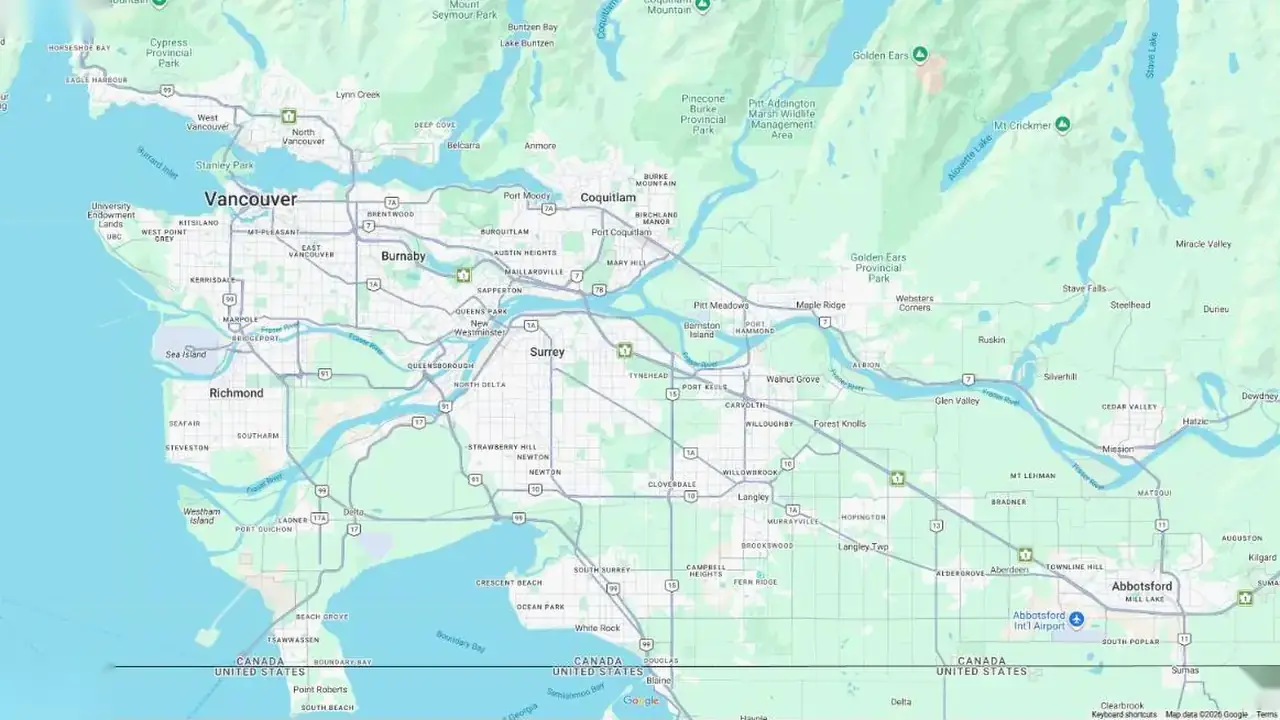
The Lower Mainland covers a wide area, and traffic can change quickly. A technician travelling from Vancouver to Richmond, Surrey, Coquitlam, North Vancouver, Langley, Delta, or Maple Ridge may face a different route and traffic pattern than expected only minutes earlier. Bridge congestion, construction, accidents, weather, and major events can all affect travel time.
Your exact location also matters. A clear street address, unit number, parkade level, vehicle location, or entrance instructions let the dispatcher send help without losing time finding you. This is particularly useful at large condo developments, shopping centres, industrial properties, hospitals, and office buildings where there may be several access points.
The time of day can work in either direction. Late-night traffic may be lighter, allowing a technician to travel faster. At the same time, a busy overnight period with several emergency calls can affect dispatch order. During weekday rush hour, the technician may be close by but delayed by traffic. A professional locksmith should provide a realistic estimated arrival window based on current conditions rather than promising a time they cannot reasonably meet.
The type of locksmith emergency matters
Not every call requires the same tools, preparation, or level of urgency. An emergency lockout, where a child, vulnerable person, pet, or immediate safety concern is involved, requires urgent action. If anyone is in danger, call 911 first. A locksmith can restore access, but emergency services are the right first call for medical, fire, or life-safety risks.
For a standard residential lockout, a locksmith typically needs to confirm the location and bring the appropriate entry tools. Vehicle lockouts may require details such as the make, model, year, and whether the keys are locked inside, missing, broken, or no longer working. Modern vehicles can involve transponder keys, key fobs, ignition issues, or programming equipment, so accurate details help the technician arrive prepared.
Commercial calls can take longer to assess before dispatch. A business owner or property manager may need help with a storefront lock, panic bar, master key system, restricted keyway, office lockout, safe, or access-control hardware. If a break-in has damaged a door or lock, the immediate goal may be securing the opening rather than simply gaining entry. Providing photos when requested can help identify the hardware and determine what replacement parts may be required.
How to help a locksmith reach you faster
The best way to reduce avoidable wait time is to provide complete, practical information when you call. Start with your municipality and exact address. If you are at a vehicle, state where it is parked and give visible landmarks, such as the name of a mall, gas station, or street intersection. For a condo or commercial building, explain which entrance is accessible and whether someone can meet the technician outside.
Describe the problem plainly. Tell the dispatcher whether you are locked out, have lost keys, have a key broken in the lock, have a lock that will not turn, or need the property secured after damage. Mention the lock type if you know it, but do not worry if you do not. A clear description of what happened is more useful than trying to diagnose the hardware.
Keep your phone nearby and answer calls from unfamiliar local numbers while you wait. A technician may need clarification about your location, parking access, buzzer number, vehicle model, or proof of authorization. Missing that call can add time, especially if the technician is already nearby and cannot locate you.
It also helps to have identification or proof that you are authorized to enter the property. For a home, this may be photo identification with the address, a lease, or other documentation. For a vehicle, registration and identification are commonly needed. If your documents are locked inside, tell the locksmith before they arrive. A reputable technician will explain how ownership can be verified safely.
What to do while you wait for a locksmith
Stay in a safe, visible location whenever possible. If you are locked out of your car, move away from traffic and avoid waiting in an isolated area if there is a nearby public place where you can remain safe. In cold, wet Lower Mainland weather, protect yourself from the elements and seek indoor shelter if you can still direct the technician to your location.
Avoid forcing the door, prying the frame, breaking glass, or attempting improvised entry methods. These actions can turn a lockout into a costly repair, damage weather seals, bend a vehicle door, trigger an alarm, or create an insurance issue. The same applies to repeatedly turning a jammed key. If it feels stuck, stop before it snaps inside the lock.
If you are dealing with a residential or commercial security issue, make the area as safe as possible. Keep people away from damaged glass or hardware, do not touch a lock that appears to have been tampered with, and take a few photos for your records if it is safe to do so. For a business, notify the appropriate manager or security contact so they can approve the work and make decisions about replacement hardware.
When a faster response is possible - and when it is not
A nearby available technician and clear access can make for a very quick response. This is more likely when the call is within the current service area, the technician has just completed a job nearby, and the required work is straightforward. A simple car or house lockout may be resolved sooner than a call requiring a specialized key blank, electronic programming, extensive lock repair, or a replacement commercial door component.
There are also situations where waiting a little longer is the safer choice. If a lock has failed because of damage, corrosion, or a break-in attempt, the technician may need time to assess the door alignment and surrounding hardware before recommending a repair. Replacing only the cylinder may not solve a misaligned deadbolt or damaged strike plate. Good locksmith work is not just about opening a door quickly. It is about restoring reliable security once the door closes again.
Be cautious of services that advertise an unrealistically low flat rate without asking any questions about your location or the problem. A trustworthy locksmith should be able to explain the service call, estimated arrival range, and likely work involved before dispatching. Final pricing can depend on the lock type, damage, parts, and labour required, but you should not be left guessing about the process.
Local help when access cannot wait
Whether you are locked out in Vancouver, need a vehicle key solution in Surrey, have a damaged lock in Richmond, or need a business secured in Coquitlam, speed starts with a clear dispatch call and accurate location details. NOW LOCKSMITH provides 24/7 residential, commercial, and automotive locksmith service across Vancouver and surrounding Lower Mainland communities.
If you need help, remain safe, keep your phone available, and share the exact details of your situation. Those few practical steps give the technician the best chance of reaching you promptly and arriving ready to solve the right problem.