



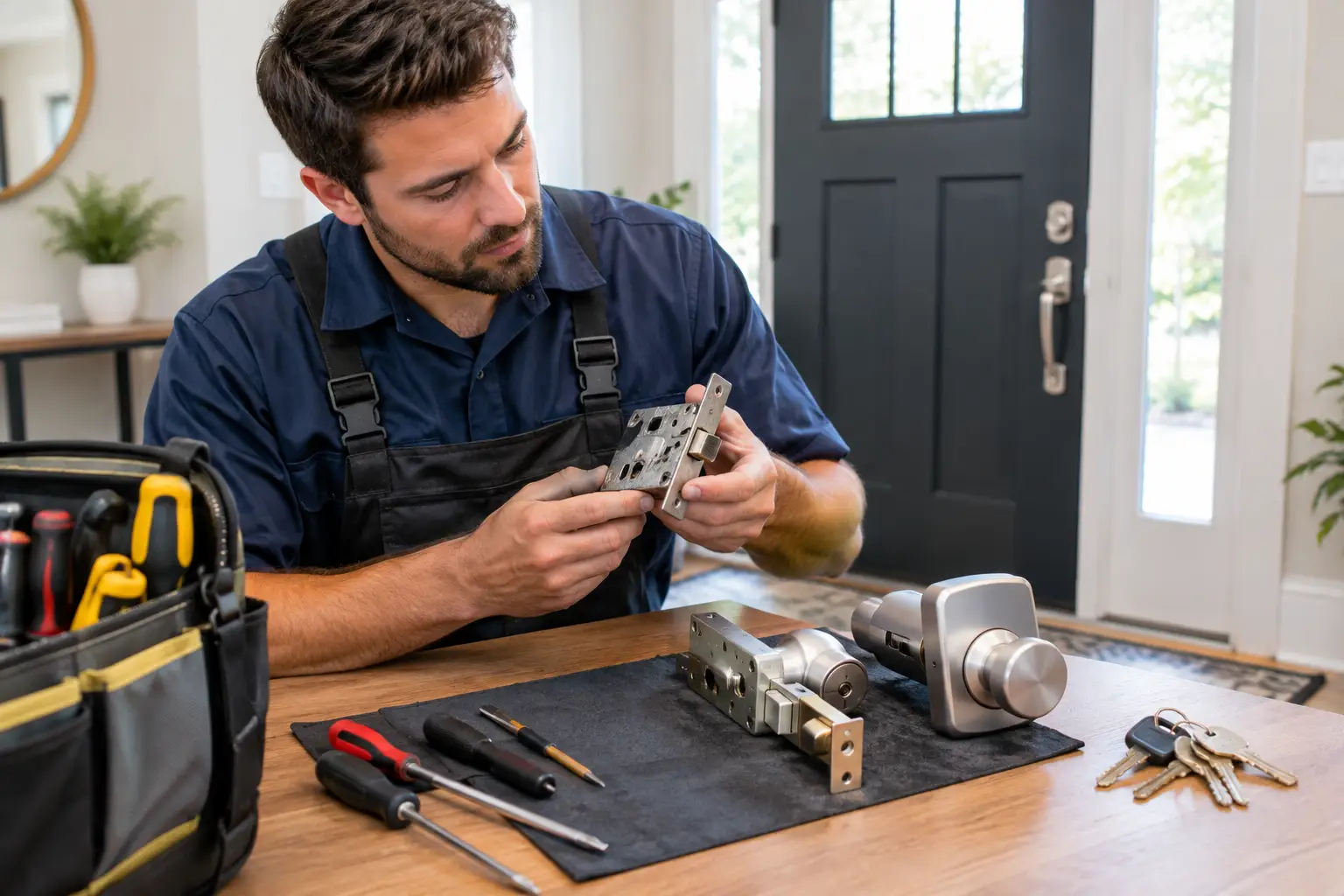
A key that sticks, a deadbolt that will not turn, or a lock damaged after a break-in creates the same immediate question: should you fix it or replace it? Lock repair versus replacement is not always a simple cost decision. The right choice depends on the condition of the hardware, the security risk, whether keys are controlled, and how quickly you need reliable access restored.
For homeowners, renters, property managers, and business owners across Vancouver and the Lower Mainland, a working lock is more than a convenience. It protects people, property, inventory, and peace of mind. A qualified locksmith can inspect the mechanism on site and recommend the practical option rather than replacing hardware that still has useful life or repairing a lock that no longer provides dependable security.
Lock Repair Versus Replacement: Start With the Cause
A lock may fail because of a small mechanical issue, normal wear, poor alignment, weather exposure, attempted forced entry, or a key problem. Those causes matter. Replacing a lock when the issue is only a misaligned strike plate can add unnecessary cost. Trying to repair a lock with a cracked housing or compromised bolt can leave a door vulnerable.
Before any decision is made, the lock, door, frame, keyway, latch, and strike should be checked together. A lock can appear faulty when the real problem is a sagging door or a swollen wood frame. This is especially common after seasonal moisture changes, and it can make a deadbolt difficult to throw even when the cylinder itself is in good shape.
A professional assessment should also consider who may have keys. If keys were lost, stolen, copied without permission, or retained by a former tenant or employee, the lock may work perfectly but still require rekeying or replacement for security reasons.
When Lock Repair Is the Better Choice
Repair is often the sensible option when the lock is a quality unit with a localized, correctable problem. A locksmith may be able to service internal components, remove a broken key, correct alignment, replace a worn latch, adjust a strike plate, or repair a loose handle assembly. This can restore normal operation without changing the entire lockset.
Repair can be particularly useful when the existing hardware matches other doors or meets a building's appearance requirements. In a condo, rental building, or commercial property, replacing one piece of door hardware may create an unwanted mismatch. If the core lock body is sound, a targeted repair can preserve the existing look and function.
Common repair situations include a deadbolt that binds because the door has shifted, a key that is worn or bent, a latch that does not retract fully, or a handle that has become loose after years of daily use. These issues can be frustrating, but they do not automatically mean the lock has failed as a security device.
Repair is usually the stronger choice when it restores smooth, consistent operation and the lock still meets the security needs of the door. A front entry lock should engage cleanly every time. If a repaired lock continues to stick, needs repeated adjustment, or has visible structural damage, replacement is likely the safer long-term decision.
Signs It Is Time to Replace the Lock
Replacement becomes necessary when a lock is too damaged, outdated, unreliable, or insecure to trust. A lock that can be opened only with force, a bolt that does not extend fully, or a cylinder that turns without operating the mechanism should be addressed without delay.
Replacement is generally recommended after a forced-entry attempt if the lock body, bolt, cylinder, door edge, or strike area has been damaged. Even if the door can still be locked, hidden internal damage can affect how the lock performs when it matters most.
Consider replacement when you notice four clear warning signs:
- The lock housing, bolt, or cylinder is cracked, bent, or loose.
- The key turns inconsistently, jams often, or works only with repeated effort.
- The hardware is old, low-grade, or no longer suitable for the door's security needs.
- Keys are unaccounted for and rekeying is not practical for the existing lock.
Upgrading may also be appropriate after moving into a new home, taking possession of a commercial unit, or changing staff access procedures. In those cases, the lock may not be broken, but replacing it can provide better key control, stronger hardware, or compatibility with an access-control plan.
Security Should Carry More Weight Than Short-Term Cost
Repair is often less expensive upfront, but replacement can be better value when a lock has reached the end of its service life. Repeated service calls for the same failing hardware can eventually cost more than installing a dependable new lock.
The security level of the door also changes the calculation. A damaged interior privacy lock is different from a compromised front-door deadbolt, storefront cylinder, office entry lock, or rear service door. Exterior and commercial access points need hardware that can withstand regular use and resist common forms of forced entry.
For rental properties, replacement may make sense between tenants when key control is uncertain. Rekeying is often a cost-effective alternative if the lock is in good condition, but a worn or lower-security lock may be worth upgrading at the same time. Property managers can reduce future issues by having problem doors inspected before they become after-hours emergencies.
Residential, Commercial, and Automotive Locks Need Different Answers
At a residence, the decision often centres on the front door, garage entry, patio door, or mailbox. Door alignment and weather exposure commonly affect exterior locks, while lost keys and tenant turnover create key-control concerns. A locksmith can determine whether adjustment, rekeying, repair, or a new deadbolt is the best response.
Commercial properties require a closer look at traffic volume and access requirements. A retail door that is opened hundreds of times a day places more stress on its hardware than a private home entry. A failing panic bar, lever handle, mortise lock, or storefront cylinder can affect both security and daily operations. Repair may keep a business open quickly, while replacement can prevent recurring failures and improve control over employee access.
For vehicles, lock repair versus replacement depends on whether the issue is the key, the ignition, the door lock cylinder, or the electronic key system. A broken key or worn door cylinder may be repairable. Damage caused by an attempted theft, severe internal wear, or a lost electronic key may call for replacement or programming. Automotive work should be handled carefully to avoid further damage to the vehicle's locking or ignition system.
Do Not Wait on a Lock That Leaves You Exposed
If a lock has failed while you are locked out, after a break-in, or outside regular business hours, the priority is to regain access and secure the property. Avoid forcing the key, prying the door, or continuing to turn a jammed lock. These actions can damage the door, frame, and hardware, making the repair more expensive.
NOW LOCKSMITH provides 24/7 locksmith support across Vancouver and surrounding Lower Mainland communities for urgent lockouts, damaged locks, repairs, rekeying, and replacement installations. On-site service allows the condition of the lock and door to be assessed properly, including issues that are not obvious from the outside.
A reliable lock should operate without a struggle and give you confidence when you leave. If yours does not, arrange service before a minor problem turns into a late-night lockout or a security concern.