



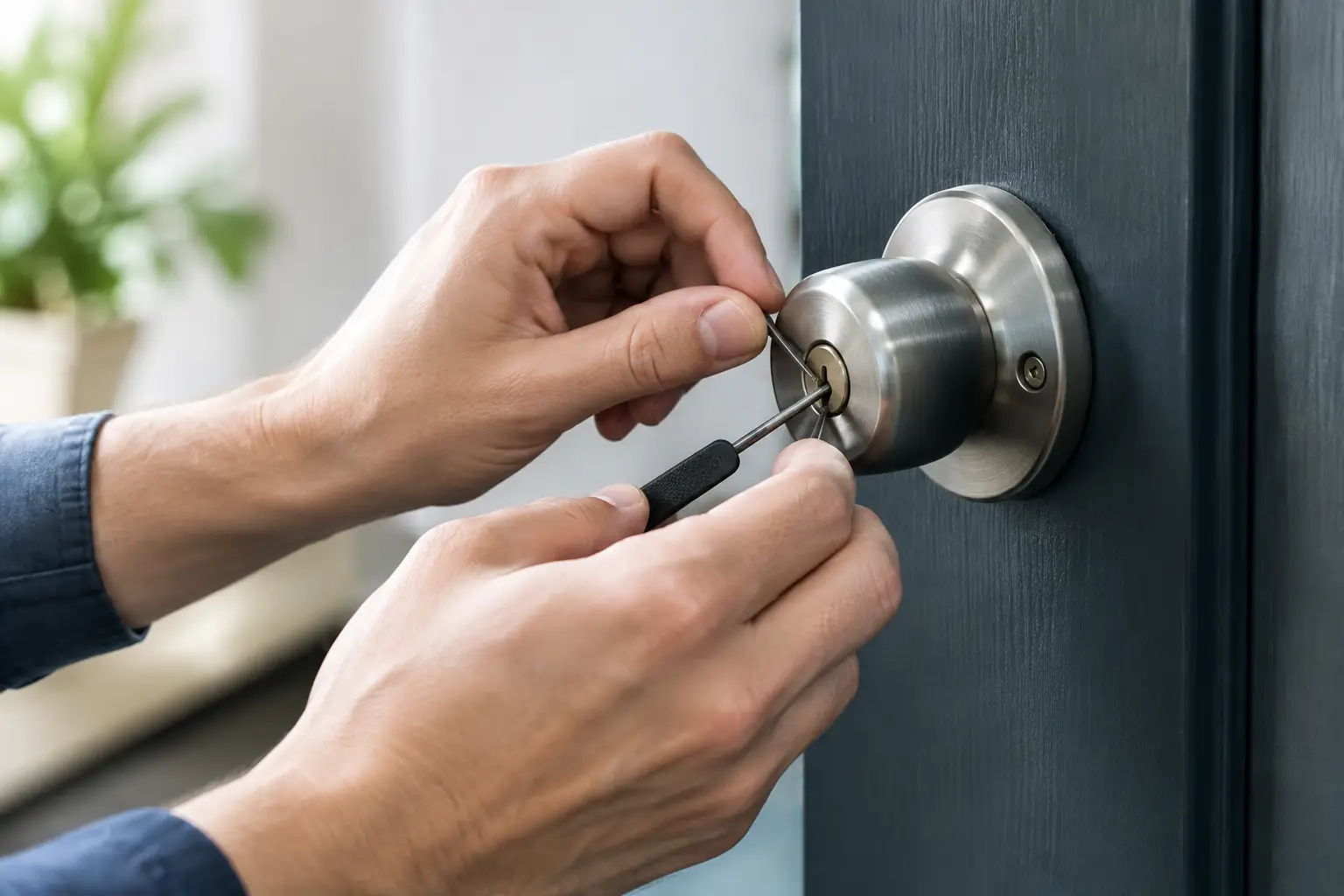
A former tenant may still have a copy. A contractor may have returned a key, but you cannot be certain no duplicate was made. Or you may have lost your only key on the way home. In these situations, learning how to rekey locks helps you decide whether you need a new lock, a new key combination, or immediate locksmith service.
Rekeying changes the internal pin arrangement in a lock cylinder so the old key no longer works. The exterior hardware can stay on the door, which usually makes rekeying faster and less expensive than replacing a functioning lock. It is a practical security step for homes, rental units, offices, retail spaces, and other properties where key control has changed.
What rekeying a lock actually changes
Most traditional deadbolts and keyed door knobs use a pin-tumbler cylinder. The cuts on a key lift tiny pins to a precise height, allowing the cylinder to turn. During rekeying, a locksmith changes those pins to match a different key. Once the work is complete, the previous key will no longer operate that cylinder.
The lock body, strike plate, bolts, and door hardware remain the same. That is the central benefit: you refresh access without removing good-quality hardware.
Rekeying is not the same as key duplication. A duplicate is another copy of the same key and keeps the existing access arrangement in place. Rekeying creates a new key combination and removes access from old keys.
It also differs from changing every lock. Replacing locks makes sense when hardware is worn, damaged, low quality, incompatible with your door, or no longer meets your security needs. If the lock is in sound condition, rekeying is often the more efficient choice.
When you should rekey instead of replace
A rekey is a strong option after a move, a tenant turnover, a lost or stolen key, a relationship change, or an employee departure. Property managers often rekey between occupants to maintain a clear chain of access. Businesses may rekey an office, stockroom, storefront, or restricted area after keys have circulated beyond the people who should hold them.
It can also help simplify your daily routine. If compatible locks are rekeyed to one key, you may be able to use the same key for the front door, back door, side entrance, gate, and storage area. This is called keying alike. It is convenient, but it comes with a trade-off: if that one key is lost, several entry points are affected at once.
Replace the lock rather than rekey it if the bolt sticks, the key must be forced, the cylinder spins loosely, the latch is damaged, or the hardware has visible signs of forced entry. A rekey only changes the key combination. It will not correct a misaligned door, a weak deadbolt, a damaged frame, or a worn internal mechanism.
For smart locks, the answer depends on the model. Some have a physical key cylinder that can be rekeyed. Others rely mainly on codes, cards, fobs, or mobile credentials, which should be deleted or reset when access changes. A locksmith can assess both the mechanical lock and the electronic access settings.
How to rekey locks safely
Rekeying should only be performed on locks you own or are authorized to manage. If you are a renter, contact your landlord or property manager before altering door hardware. Commercial staff should follow the business's key-control process, especially where master keys or restricted areas are involved.
For a standard residential lock, the general process is straightforward but precise. You remove the cylinder from the lock, use the current operating key to position the plug correctly, and use the proper follower tool to remove the plug without losing the small internal parts. The old key pins are replaced with pins that match the cuts of the new key. After springs and pins are checked, the cylinder is reassembled and tested with the new key.
A rekeying kit must match the lock brand and keyway. Pins are not universal, and a kit that appears close enough can leave a lock unreliable or impossible to operate. You also need the correct tools, a compatible new key, good lighting, and a clean work surface. The smallest pin or spring can disappear quickly, especially if the cylinder is opened over carpet or outdoors.
Before reinstalling the lock, test the new key with the door open. Confirm that it turns smoothly in both directions, retracts and extends the bolt fully, and that the old key no longer works. Then close the door and test again. A lock that works in your hand but binds in the door may have an alignment issue rather than a keying issue.
Why DIY rekeying is not always the best option
A homeowner with a compatible kit and a common lock may be able to rekey one cylinder successfully. However, the cost savings can disappear if a spring is lost, the cylinder is assembled incorrectly, or the lock is damaged during removal. If the door is your only secure entrance, a failed DIY attempt can also create an urgent access problem.
Professional rekeying is usually the better choice when you have multiple doors, mixed lock brands, high-security cylinders, patio doors, mailbox locks, commercial hardware, or a master-key system. A technician can identify compatible cylinders, key locks alike where appropriate, and spot hardware that should be repaired or replaced instead.
This matters even more for commercial properties. A business may need different access levels for managers, staff, cleaners, tenants, maintenance personnel, and suppliers. A properly planned master-key system can allow each person access only to the areas they need. Changing pins without understanding that system can disrupt access across the building.
Rekeying after a lost key or break-in
If keys are lost and the address is attached to them, treat the situation as urgent. Rekey exterior doors as soon as possible, particularly if the keys were taken from a vehicle, purse, backpack, or unattended work site. If you do not know whether the key was copied, rekeying removes that uncertainty.
After a break-in or attempted break-in, do not assume rekeying alone is enough. Check the deadbolt, door frame, strike plate, hinges, glass near the door, and any secondary entry points. A bent bolt or split strike area needs repair before the door can offer reliable security again. Depending on the damage, a new deadbolt, reinforced strike plate, or upgraded hardware may be the sensible next step.
If you are locked out, avoid forcing the door or drilling the lock yourself. That can turn a service call into a repair or replacement job. NOW LOCKSMITH provides 24/7 locksmith support across Vancouver and surrounding Lower Mainland communities for urgent lockouts, rekeying, lock repairs, and security hardware needs.
Questions to ask before scheduling a rekey
Know how many locks need attention and whether you want all compatible doors to use one key. If possible, note the lock brand, whether you have a working key, and whether any hardware is sticking or damaged. These details help determine whether rekeying is possible on site or whether replacement parts may be required.
For rental and commercial properties, confirm who should receive the new keys and whether old copies need to be collected. Key control works best when there is a simple record of who holds each key, when locks were last rekeyed, and which doors are covered by a master system.
A working lock does not need to be discarded just because access has changed. Rekey it promptly, test it carefully, and make sure the people who should no longer have access cannot use an old key to walk back in.