


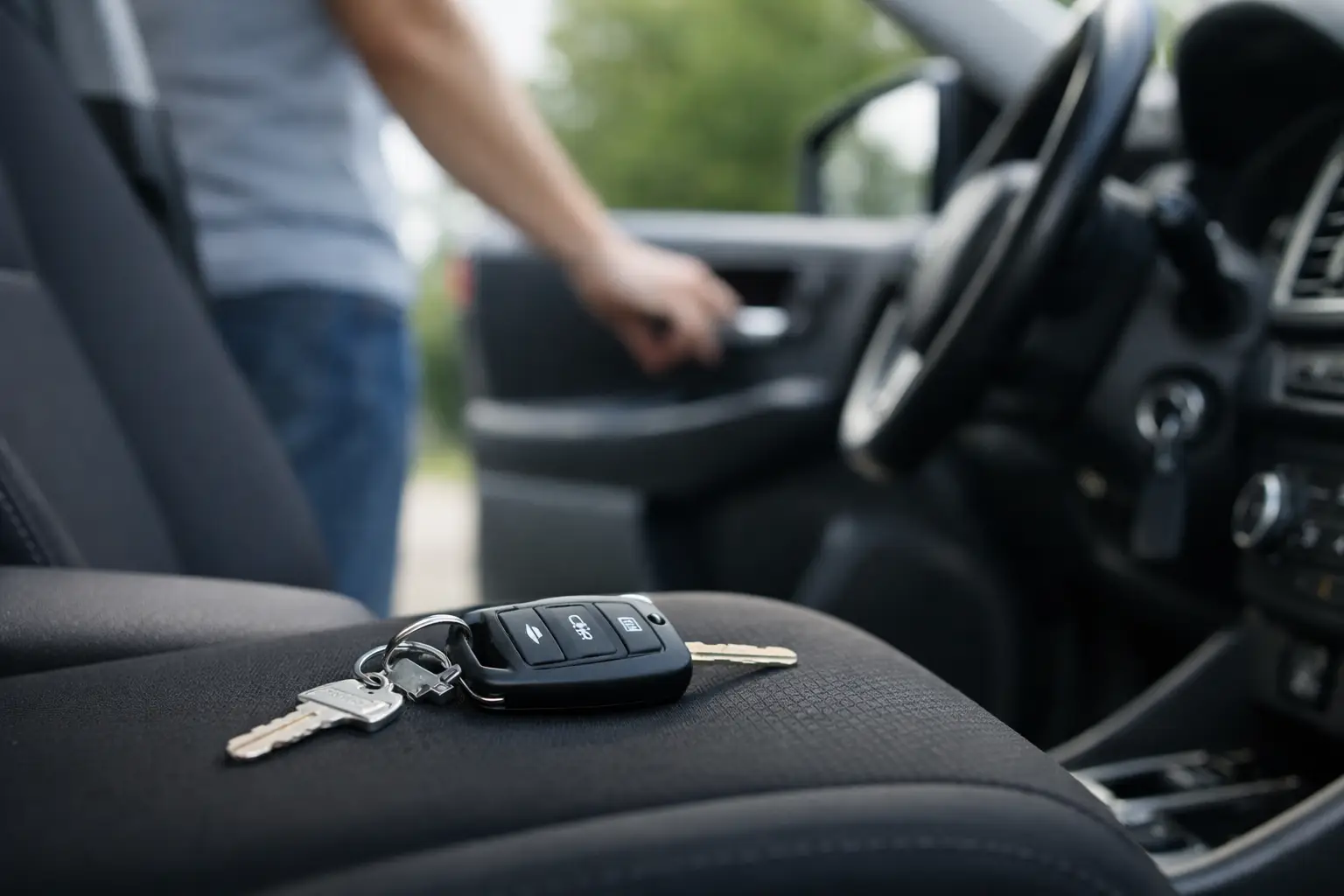
A car lockout can happen in the few seconds between loading groceries and closing the door. Your keys are on the seat, the doors auto-lock, and you are left standing in a Vancouver parking lot with no simple way back in. Knowing how to prevent car lockouts comes down to building a few reliable habits around your keys, key fob, and vehicle settings.
Modern vehicles offer more convenience than ever, but they also create new ways to get locked out. Push-button starts, proximity fobs, automatic locking features, app-based access, and electronic trunks all need a little attention. The goal is not to worry about every possibility. It is to make sure one small mistake does not turn into an urgent call for help.
How to Prevent Car Lockouts With a Simple Routine
The most effective prevention method is a quick check before every door closes. Make it part of getting out of the vehicle: take the key or fob in your hand, check for it in your pocket or bag, then close the door. This may feel unnecessary when you first start doing it, but it becomes automatic quickly.
Avoid placing your keys on the driver’s seat, centre console, dashboard, or in the trunk while unloading. These are common spots for keys to be forgotten, covered by a bag, or left behind when the door is shut. If you need both hands free, place the key fob in a zipped pocket, cross-body bag, or another secure place that stays with you.
This habit matters most when your normal routine changes. You may be rushing to pick up children, stopping briefly at a fuel station, parking after a long shift, or unloading in heavy rain. Those are the moments when people are most likely to set keys down without thinking.
Keep a spare key that you can actually access
A spare key is useful only when it is safely available during a lockout. For many drivers, that means leaving a properly programmed spare with a trusted family member, friend, or neighbour who can reach you reasonably quickly. It should not be stored inside the vehicle, including in the glove box, console, or trunk.
Some drivers choose a secure magnetic key holder placed outside the vehicle. This can work for certain older vehicles with traditional metal keys, but it has trade-offs. A poorly hidden holder can be found by someone else, while moisture and road debris can damage it. It is also not a practical solution for many newer proximity fobs, which are bulkier and may require programming to start the vehicle.
If you have only one working key or fob, arrange for a spare before it becomes an emergency. Replacing a lost fob can require specialized programming, and waiting until the final key is gone usually means more inconvenience and expense.
Protect Your Key Fob From Everyday Failures
A weak fob battery can create confusion that looks like a lockout. You may press the unlock button repeatedly, assume the vehicle is not responding, and leave the key behind while dealing with the problem. Most fob batteries are inexpensive, but they do not last forever.
Watch for shorter range, inconsistent button response, warning messages on the dashboard, or the need to press buttons more than once. Replace the battery before it fails completely, especially before a road trip or during colder Lower Mainland weather. Keep the old battery type written down or saved in your phone so you can buy the correct replacement when needed.
It is also worth learning your vehicle’s backup entry procedure. Many smart fobs contain a concealed mechanical key that can open the driver’s door if the battery dies. The exact release point and key slot vary by make and model. Check your owner’s manual while you are at home, not when you are stranded outside in the rain.
For push-button start vehicles, find out where the emergency fob reader is located. Some vehicles allow the fob to be held against the start button or placed in a specific console area when its battery is weak. Knowing this detail can save a stressful service call.
Keep keys away from water, impact, and signal issues
Key fobs are electronic devices. Repeated drops, water exposure, and crushed buttons in a crowded pocket can damage the case, battery contacts, or internal components. A protective fob cover can help, particularly if you work outdoors or regularly carry your keys with tools, coins, and other hard objects.
If your fob works inconsistently, do not ignore it. The problem may be a battery, damaged circuit board, worn buttons, or a vehicle-side issue. Have it assessed before the key stops working at the worst possible time.
Review Your Vehicle’s Auto-Lock Settings
Many lockouts happen because the driver does not realize what their vehicle is programmed to do. Some cars automatically lock after a period of time. Others re-lock if a door is not opened after pressing unlock. Certain models lock when shifted into park, when the driver walks away, or when a door closes with a fob left inside.
Review the settings in your owner’s manual or vehicle menu. If your vehicle allows it, consider turning off features that have caused problems for you in the past. There is no universal best setting. Automatic locks can improve security, particularly in busy areas, but they can be frustrating if you often step away from the vehicle while loading equipment or managing children.
Pay close attention to the trunk. A common scenario is placing bags and keys in the cargo area, closing the trunk, and discovering the doors are locked. Some vehicles will detect a fob in the trunk and prevent closure, but this feature should never be assumed. Keep the fob on your person before closing the trunk every time.
Plan for Shared Vehicles and Busy Households
Shared vehicles create extra opportunities for keys to go missing or be left in the wrong place. If more than one person drives the car, agree on one consistent storage location at home. A hook or small tray near the entry is better than leaving keys on a kitchen counter, in a coat pocket, or at the bottom of a bag.
When exchanging the vehicle, hand the keys directly to the next driver rather than leaving them in the car. This is especially helpful for families, work vehicles, and property management teams where several people may need access during the day.
For businesses with fleet vehicles, keep a clear key sign-out process. It does not need to be complicated, but drivers should know which key belongs to which vehicle, who has it, and where a spare is held. A missing key can delay appointments, deliveries, and emergency work just as easily as a mechanical breakdown.
Do Not Rely Only on Phone-Based Access
Vehicle apps can be helpful when they allow remote unlocking, but they should be treated as a backup, not your only plan. A phone battery can die, cellular service can be weak, an app can log out, or the vehicle may not have an active connected-services subscription.
Keep your phone charged when travelling and make sure you know your account password. If your vehicle uses an app for remote access, test it occasionally while everything is working. You do not want the first test to happen when you are locked out late at night.
A physical key or functional fob remains the most dependable day-to-day solution. Technology adds convenience, but it also adds another point that can fail.
What to Do If You Are Locked Out Anyway
Even careful drivers can have a lockout. A child may press the lock button, a fob may fail without warning, or a key may be lost during a busy day. If it happens, stay calm and avoid forcing the door, prying a window, or attempting improvised entry methods. These can damage weather seals, locks, electronics, airbags, or glass, often turning a straightforward lockout into a costly repair.
First, check whether another door or the trunk is safely accessible and whether a trusted person can bring your spare. If that is not possible, use a professional automotive locksmith with the right tools for your vehicle. For drivers across Vancouver and the Lower Mainland, NOW LOCKSMITH provides 24/7 locksmith assistance when access cannot wait.
The best prevention is a small pause before you close the door: keys in hand, fob working, spare plan in place. That routine takes seconds, and it can keep an ordinary stop from becoming an emergency.