



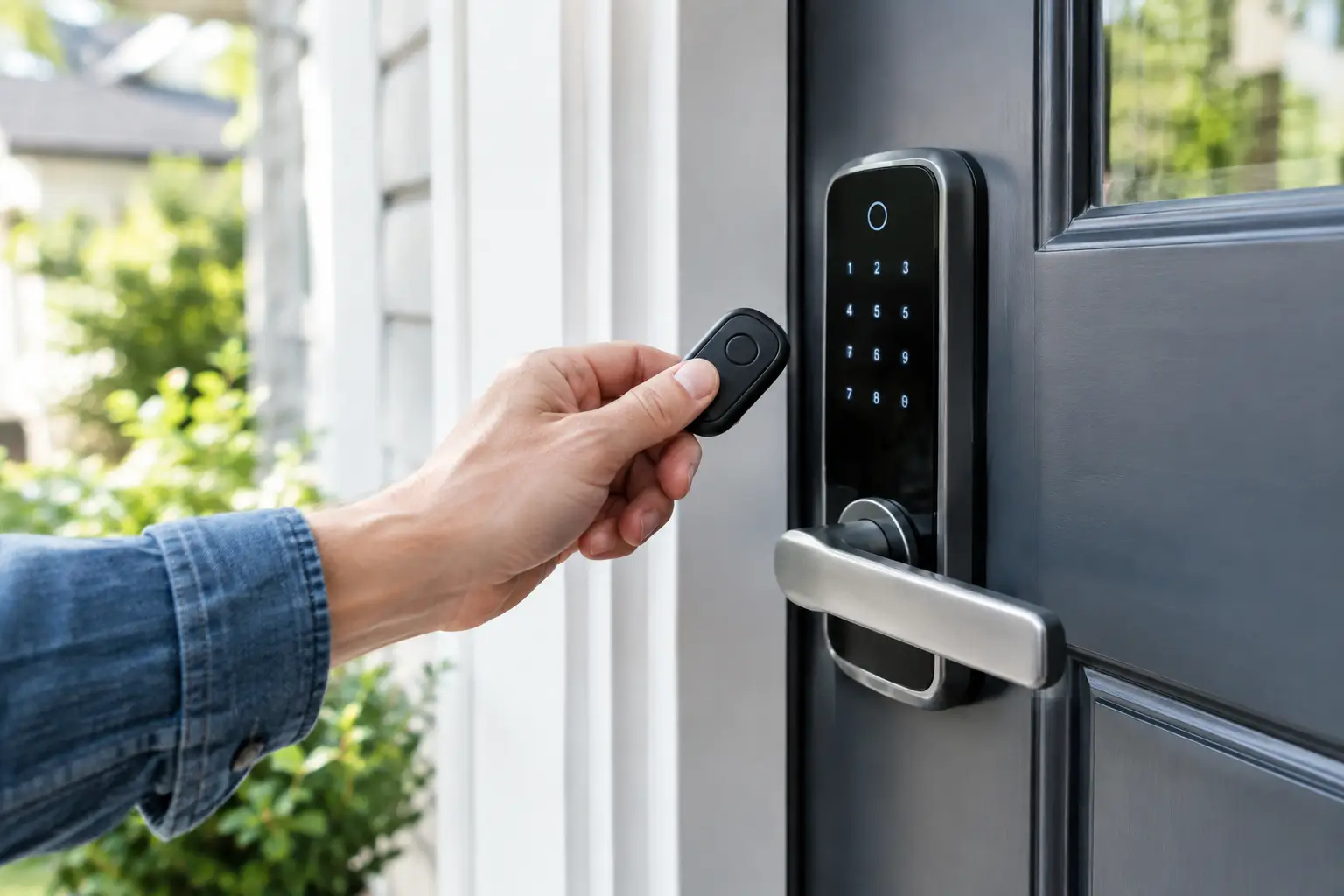
A dead battery, a worn keypad, or a lock that was never lined up correctly can turn a convenient upgrade into an after-hours access problem. This guide to keyless entry installation explains what has to be right before, during, and after fitting a keypad, touchscreen, card, or smart door lock. For Vancouver-area homeowners, tenants, and business owners, the goal is simple: dependable entry without compromising the door’s security.
Start With the Right Type of Keyless Lock
Keyless entry is not one single product category. A basic electronic deadbolt uses a PIN code and usually keeps a physical keyway as backup. A touchscreen model hides the buttons until activated, which some owners prefer for a cleaner appearance. Smart locks add app control, activity records, and temporary codes for visitors, cleaners, staff, or contractors. Commercial keypad locks may support many users and heavier daily use, but they are not always the right fit for a residential wood door.
Choose the lock around the door and the people using it, not only the features on the box. A front door used by a family may benefit from a keypad deadbolt with a mechanical key backup. A rental suite may need a model that allows codes to be changed quickly between occupants. A retail unit or office may need scheduled codes and a durable commercial-grade lock.
Wi-Fi locks offer remote management, but they depend on a reliable home or business network. Bluetooth models can be simpler and use less power, though remote access may require a separate bridge. If you only want code access at the door, a non-connected keypad lock avoids app and network setup altogether.
Confirm the Door Is Compatible
Most keyless deadbolts are designed for a standard exterior door, but measurements still matter. Check the door thickness, the bore-hole diameter, and the backset - the distance from the door edge to the centre of the existing hole. The latch bolt must match the backset, and the deadbolt should extend fully into the strike plate without scraping.
Also inspect the condition of the door and frame. A smart lock cannot correct a sagging door, a loose hinge, or a misaligned strike. If you need to lift, pull, or push the door before the existing deadbolt turns, repair that issue first. Forcing an electronic deadbolt against a misaligned frame puts strain on its motor and can shorten its service life.
For condos and apartments, check the tenancy agreement, strata rules, or building management requirements before changing exterior hardware. Some buildings require a master-key-compatible cylinder, approved finishes, or access for emergency personnel. Replacing hardware without approval can create a problem when you move out or when building management needs access.
Guide to Keyless Entry Installation: Prepare First
A careful installation begins with the door open. Keep it open throughout fitting and programming so there is no risk of being locked outside if the lock is assembled incorrectly. Gather the supplied template and hardware, a screwdriver, measuring tape, drill only if the door requires new holes, and fresh batteries from a reputable brand.
Before removing the old lock, test it. Notice whether the bolt enters the strike smoothly and whether the latch is centred. Take a photo of the existing hardware and door-edge measurements. This gives you a reference if the new lock has an adjustable latch or more than one mounting option.
Remove the old deadbolt, then clear loose paint, wood chips, or debris from the bore hole and strike opening. Do not enlarge holes unless the new lock’s instructions specifically call for it. A lock that is loosely fitted or mounted through an oversized opening can shift over time, affecting the keypad, thumbturn, and bolt alignment.
Fit the Bolt and Exterior Keypad Correctly
Install the bolt with its marked side facing the correct direction. On most models, the bolt must be retracted while it is being mounted. The flat portion or tailpiece should sit level and pass through the door without binding. Test it by hand before attaching the electronic components.
Next, position the exterior keypad or touchscreen assembly. The cable should pass through the designated opening without being pinched by the mounting plate. Pinched wiring is a common cause of a keypad that lights up but will not operate the bolt properly.
Attach the interior mounting plate according to the manufacturer’s directions, tightening screws evenly. Over-tightening can pinch the cable, distort the exterior assembly, or damage a wood or fiberglass door. The lock should sit firm against the door without rocking, but it does not need excessive force to stay in place.
Connect the cable, install the interior unit, and add the batteries only after the hardware is secure. Keep the battery cover off until testing and programming are complete. If the manufacturer supplies a physical key, test that key now as well. A key override is useful during a battery failure, but only if the cylinder turns freely and everyone responsible knows where the key is stored.
Test Operation Before You Set Codes
With the door still open, extend and retract the deadbolt several times using the thumbturn and keypad. The motor should move the bolt fully without hesitation, grinding, or repeated attempts. Many electronic locks perform a handing or calibration process to learn the direction and travel of the bolt. Follow that process exactly before creating user codes.
Then close the door and test again. If the bolt does not enter the strike smoothly, do not rely on the motor to force it. Adjust the strike plate, tighten loose hinges, or have the door alignment corrected. This small step is one of the clearest differences between a keyless lock that works reliably in winter and one that fails when the door swells or shifts.
Create a unique master code, then separate codes for regular users where the lock allows it. Avoid easy combinations such as a street number, birth year, or 1234. For a business, do not share one code with every employee. Individual codes make it easier to remove access when staff change and to identify which credential needs to be updated.
If the lock uses an app, enable account security features such as a strong password and two-factor authentication when available. Check that the app shows the correct lock status and that remote controls work before depending on them. Keep a record of the model, backup key location, and master-code recovery procedure in a secure place away from the door.
When Professional Installation Is the Better Choice
DIY installation can work well on a properly prepared standard door. Professional help is often the safer choice when the door has an unusual bore hole, a multipoint lock, a narrow stile, damaged wood, a steel frame, or an existing access-control system. Commercial doors, fire-rated doors, and doors that require panic hardware deserve particular care because hardware changes can affect safety and building requirements.
Professional installation is also practical when you are changing locks after a break-in, tenant turnover, lost keys, or an employee departure. The job may involve more than adding a keypad. The strike, door frame, deadbolt grade, key control, and closing alignment may all need attention. NOW LOCKSMITH can assess the existing door hardware and install suitable keyless options for homes and businesses across Vancouver and the Lower Mainland, including urgent situations where access or security cannot wait.
A locksmith can also help determine whether a keyless lock should retain a physical key cylinder. Removing the keyway may reduce key-copy concerns, but it changes your backup plan during battery or electronics failure. In many residential settings, a quality electronic deadbolt with both code access and a protected mechanical backup is a sensible balance.
Keep the Lock Reliable Through Vancouver Weather
Keyless locks are exposed to rain, changing temperatures, and frequent use. Replace batteries before they are fully depleted, especially before colder months. Do not mix old and new batteries or use damaged batteries. If a keypad becomes dirty, use a soft dry cloth rather than harsh cleaners that can affect labels, touch sensors, or weather seals.
Check bolt alignment a few times each year, especially if the door begins sticking. Make sure screws remain snug and the strike plate has not loosened. For connected locks, install firmware updates when offered by the manufacturer, but avoid making updates when you need immediate access and cannot troubleshoot a problem.
The best keyless entry installation feels ordinary after the first week: the door closes properly, the code works every time, and you know exactly what to do if the batteries run low. That quiet reliability starts with a lock that matches the door, careful alignment, and a backup plan you can use at any hour.